Recently, the lithium iron phosphate (LFP) industry is undergoing a critical shift from a “price war” to a “value return.” If your company has procurement needs, the current window of opportunity is crucial; delaying orders may lead to increased procurement costs and supply shortages.
I. Market Status: A New Round of Price Increases Established
The industry has seen a trend change, with the following key characteristics:
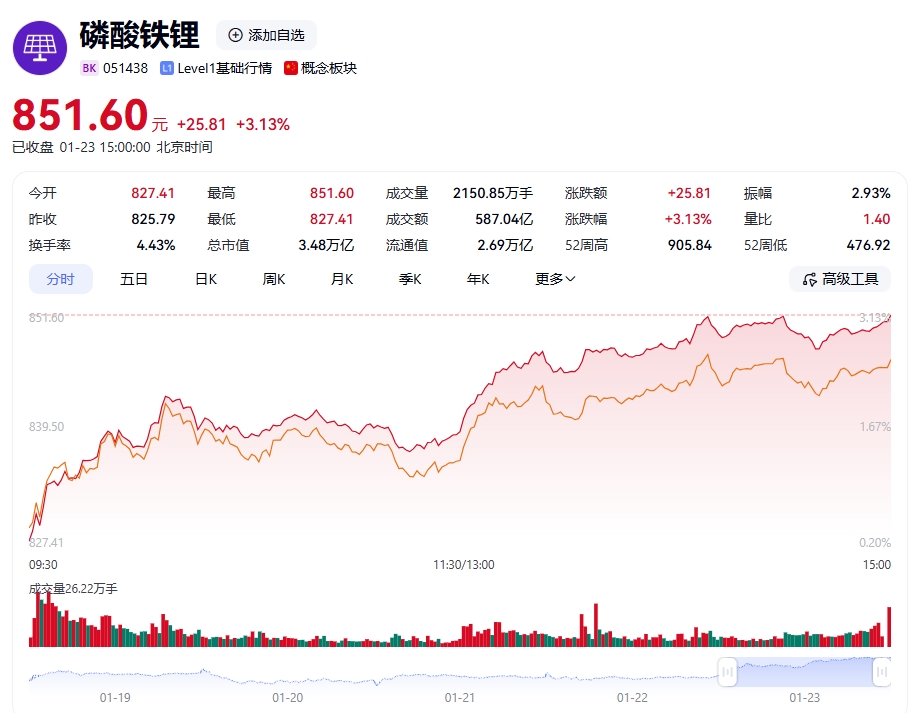
- Continuous Price Increases: Since the second half of 2025, the price of power-grade LFP has increased by over 30% from its mid-year low, with some prices returning to above 40,000 RMB/ton and showing a continued upward trend.
- Comprehensive Cost Increases: The price of the core raw material, battery-grade lithium carbonate, has exceeded 100,000 RMB/ton. It is estimated that for every 10,000 RMB increase in lithium carbonate, the cost of LFP increases by approximately 2,300-2,500 RMB/ton.
- Industry-wide Price Adjustments: Leading companies have begun to take action, planning to uniformly increase processing fees for all product lines by 3,000 RMB/ton starting in January 2026. Some companies have already entered the second round of price increase negotiations.
II. Trend Analysis: Multiple Factors Driving Price Increases with Sustainability
This round of price increases is not a short-term fluctuation, but a systemic correction driven by the following three forces, which is expected to continue until 2026:
Fundamental Reversal of Supply and Demand Structure: On the demand side, the explosive growth of the energy storage market is the core driving force. In 2025, the growth rate of lithium battery shipments for energy storage in China is expected to exceed 75%, and more than 90% of new energy storage installations will use lithium iron phosphate (LFP). In the power battery sector, LFP penetration has exceeded 74%. On the supply side, in 2024, the industry’s capacity utilization rate was only about 50%, with a large amount of inefficient capacity being cleared out, while high-end capacity (such as high-density products) is in short supply. According to CITIC Securities’ forecast, the global supply and demand structure of LFP materials will continue to improve in 2026.
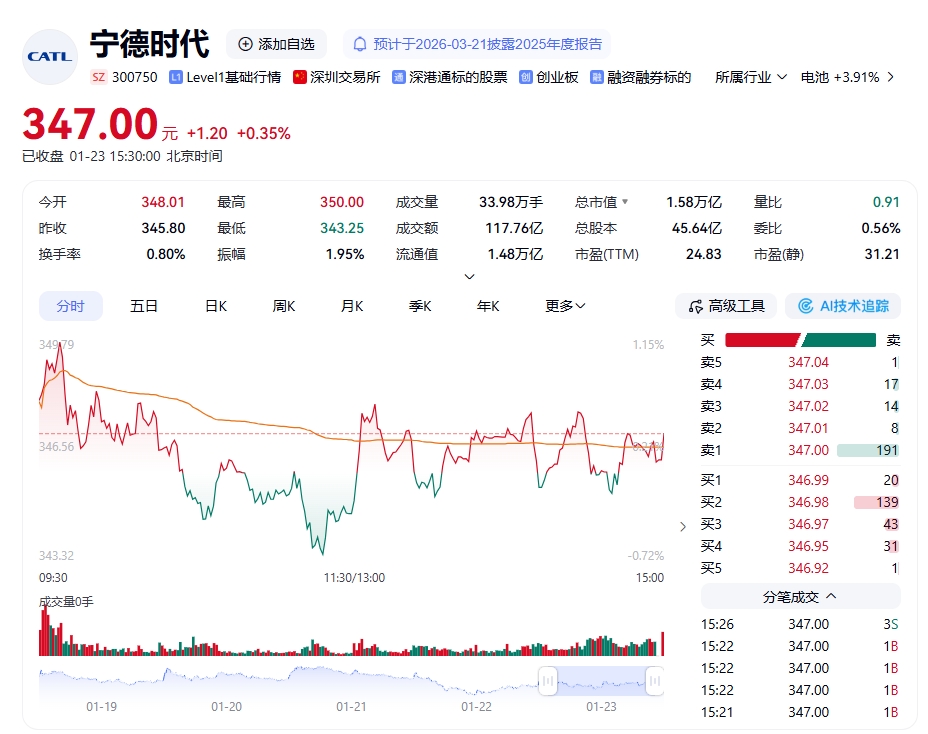
Profound Shift in Industry Competition Logic: The three-year “price war” led to widespread losses across the industry. In 2025, under the leadership of the industry association, the industry launched an “anti-involution” initiative, clarifying the cost bottom line and aiming to rebuild a healthy pricing logic. This provides an industry consensus and foundation for prices to return to a reasonable level. Strengthening Dominance of Leading Companies: The market is highly concentrated (the top four companies hold the majority share), and downstream battery giants (such as CATL and BYD) have signed long-term contracts with core suppliers for up to five years, totaling millions of tons, with fixed prices and quantities to ensure supply. This further locks in the high-quality production capacity of leading companies, making the available supply for flexible procurement even tighter.
III. Impact on Procurement Decisions and Recommendations
Based on current trends, delaying procurement will primarily face the following risks:
Cost Risk: In a clear upward cycle, future procurement prices are likely to be significantly higher than current prices.
Supply Risk: The shortage of high-end capacity and capacity already locked in with long-term contracts may lead to extended production cycles and increased delivery uncertainty.
Therefore, we recommend the following actions:
- Immediately assess demand and initiate the procurement process: Given that leading companies have announced price adjustment plans for 2026, we recommend contacting suppliers as soon as possible to secure orders and prices before the full price adjustment.
- Prioritize securing capacity from leading suppliers: The recovery of industry profitability will primarily benefit leading companies with advanced technology and good cost control. Partnering with them offers greater assurance in terms of supply stability and product consistency.
- Focus on product technical specifications during negotiations: High-end products such as high-density polyethylene (HDPE) products have high technical barriers, resulting in larger supply-demand gaps and more significant price premiums. Clearly defining your specific requirements for product performance helps in more accurate cost assessments and supplier selection.