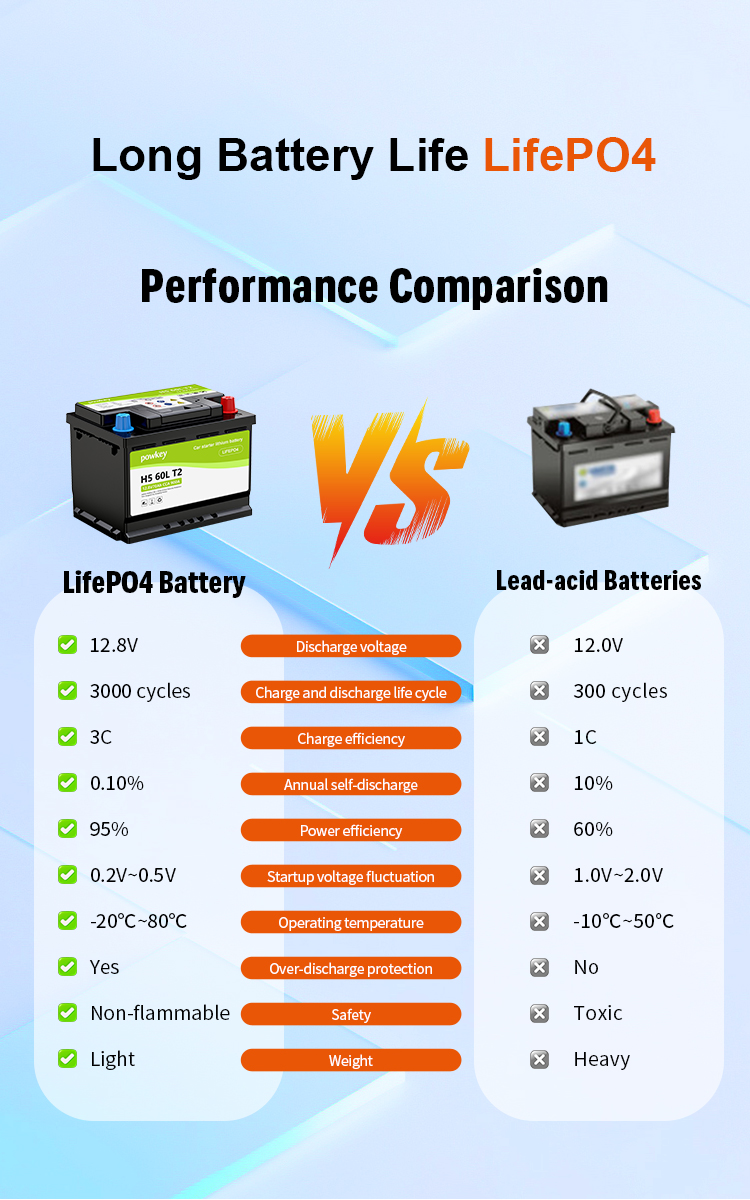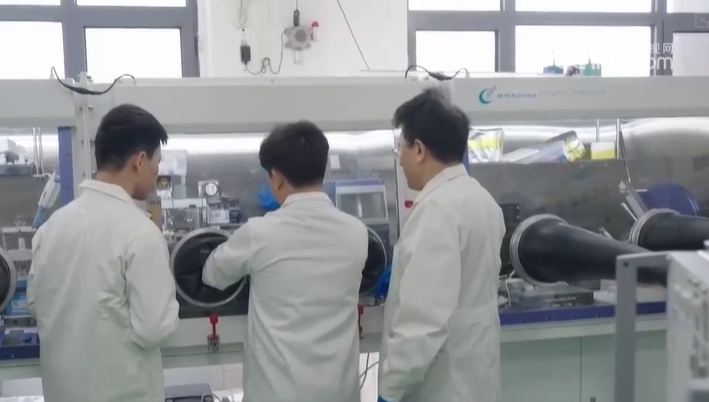
Understanding the pros and cons of semi-solid-state and all-solid-state batteries hinges on examining them from both industrialisation realities and technological aspirations. All-solid-state is widely acknowledged as the ultimate goal, while semi-solid-state represents the most pragmatic choice on the current path towards that end.
Simply put, semi-solid-state batteries excel in ‘rapid advancement’ but fall short in ‘optimal performance’; all-solid-state batteries deliver ‘optimal performance’ yet progress at a ‘slower pace’.
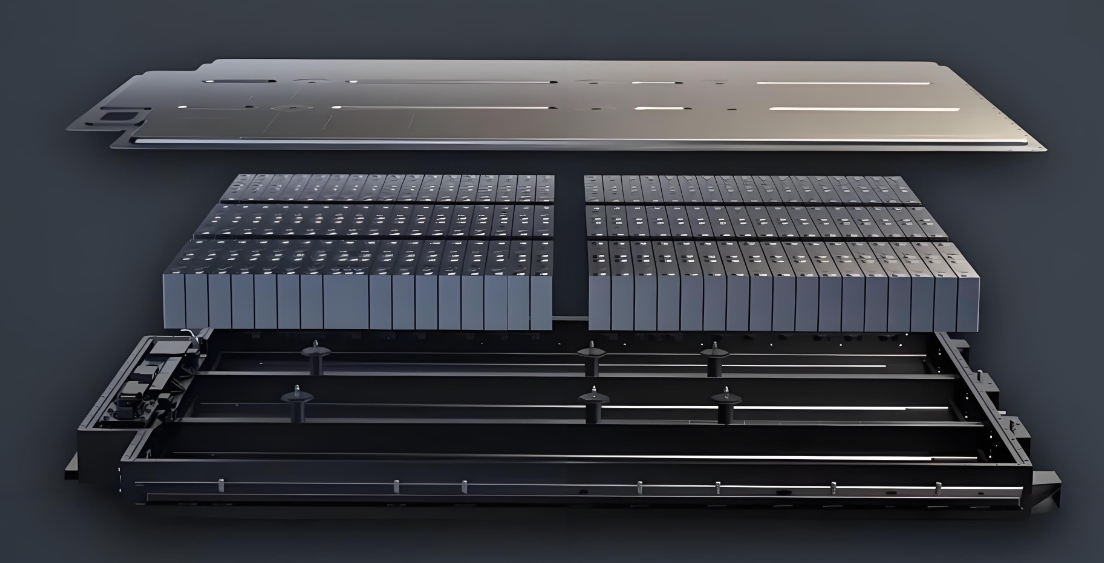
Below, I present a detailed comparative table analysing their respective strengths and weaknesses:
Core Advantages and Disadvantages Comparison
Energy Density
- Semi-solid-state battery advantage: Significant improvement over traditional liquid batteries (currently achievable at 400-500 Wh/kg), meeting the demands of high-end vehicles. Disadvantage: Ceiling on further improvement due to constraints from liquid components and existing structures.
- All-solid-state battery advantage: Enormous potential, theoretical value >500 Wh/kg, key to breaking the range bottleneck in electric vehicles.
Safety
- Semi-solid-state battery Advantages: Substantially reduced liquid electrolyte mass lowers leakage and thermal runaway risks, offering superior safety to conventional batteries. Disadvantages: Residual liquid electrolyte remains a safety hazard, unable to completely eliminate combustion risk.
- All-solid-state battery Advantages: Theoretically highest safety. Solid electrolytes are non-flammable and leak-proof, fundamentally resolving battery fire issues.
Cycle Life
- Semi-solid-state battery advantages: Comparable to mature liquid systems, achieving over 1000–1500 cycles, already practical. Disadvantages: Solid-liquid interface side reactions may affect long-term stability.
- All-solid-state battery disadvantages: Current primary weakness. Poor solid-solid interface contact, with volume changes during charging/discharging prone to causing interface delamination, resulting in generally low cycle life (hundreds of cycles at the laboratory stage).
Fast Charging Performance
- Semi-solid-state battery advantages: Higher ionic conductivity enables fast charging performance approaching or slightly exceeding current top-tier liquid batteries.
- All-solid-state battery disadvantages: Currently faces challenges. Solid electrolyte ionic conductivity (particularly at room temperature) is generally low, severely limiting charging speeds.
Cost and Industrialisation
- Advantages of semi-solid-state batteries: Low industrialisation difficulty. Existing liquid battery supply chains and production equipment can be largely repurposed, with relatively controllable upgrade costs. Mass production for vehicle integration has commenced. Disadvantages: New materials and processes will still elevate initial costs.
- Disadvantages of all-solid-state batteries: Industrialisation presents immense difficulties. Requires rebuilding entirely new supply chains (e.g., solid electrolyte materials, lithium metal anodes), involves complex manufacturing processes, and incurs extremely high production costs. Mass production remains 5-10 years away.
Temperature Adaptability
- Advantages of semi-solid-state batteries: Wide operating temperature range, with superior low-temperature performance compared to all-solid-state batteries.
- All-solid-state battery disadvantages: Most solid electrolyte materials exhibit steep declines in ionic conductivity at low temperatures, impacting winter vehicle performance.
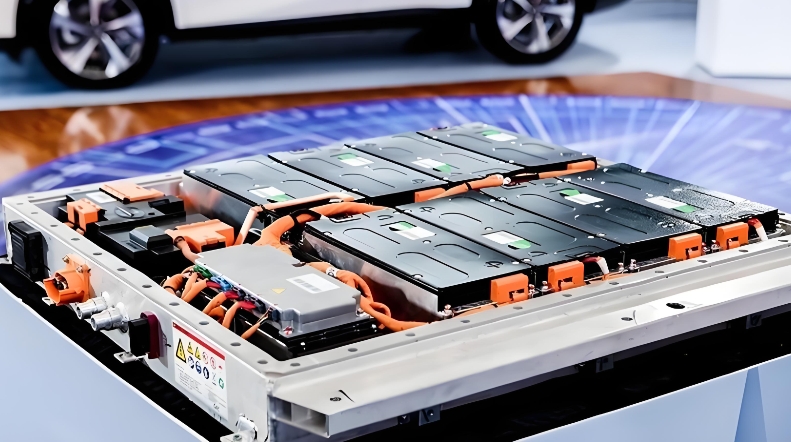
This comparison clearly delineates the positioning of both technologies:
1. Semi-solid-state batteries: Pragmatic ‘improvers’
Their core strength lies in manufacturability. Building upon existing industrial infrastructure, they deliver enhanced performance (range, safety) at acceptable cost and risk. The drawback is that they represent not an ultimate solution, with limited scope for further performance and safety gains.
2. All-Solid-State Batteries: The Ideal ‘Revolutionary’
Their core strength lies in their performance ceiling. They represent the ultimate form of energy density and safety. However, all drawbacks point to the same issue: the technology and supply chain remain immature, with a long and arduous path to commercialisation.
For both the industry and consumers, the current choice is not an ‘either/or’ dilemma, but a clear evolutionary path: ‘solid-state first, all-solid-state later’. Automakers will prioritise semi-solid batteries for premium models while continuing R&D investment in all-solid-state batteries. As a consumer, you’re more likely to purchase a vehicle with semi-solid batteries within the next 3-5 years; experiencing all-solid-state technology may require a longer wait.
Should you wish to explore specific vehicle models slated for semi-solid battery integration, or learn about leading global R&D teams and their latest advancements in all-solid-state batteries, I can provide further detailed information.