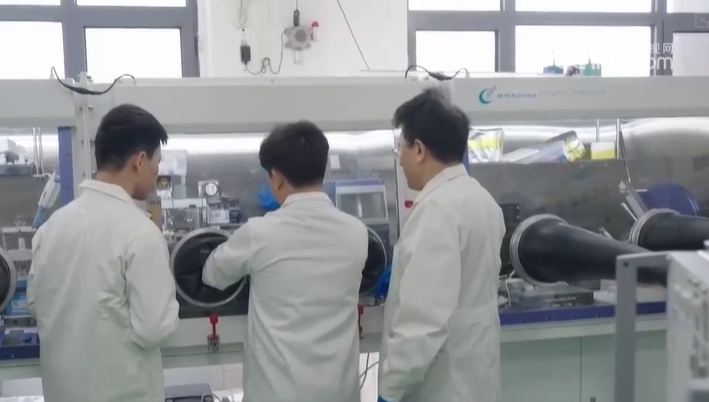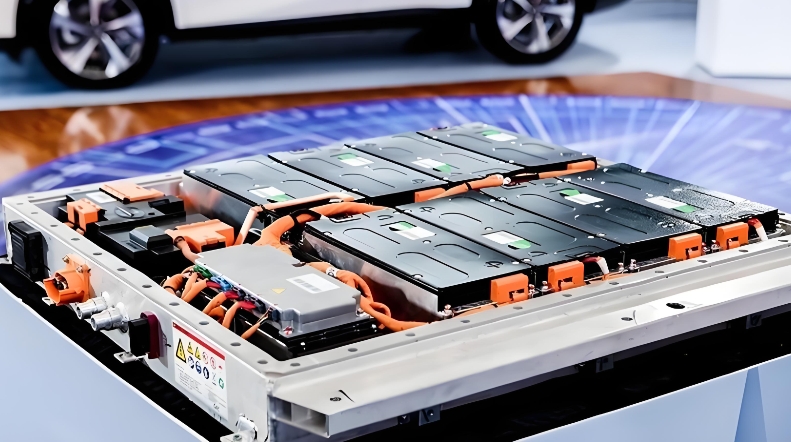
Currently, the demand for battery replacement in two – and three wheeled electric vehicles in Southeast Asia continues to surge, becoming the most certain incremental market for global new energy travel. In countries such as Indonesia, Thailand, Vietnam, and Malaysia, the number of fuel powered motorcycles exceeds one billion, and the penetration rate of electrification is rapidly increasing. Early vehicles are gradually entering the battery replacement cycle, and battery replacement has become a business trend from a necessity.
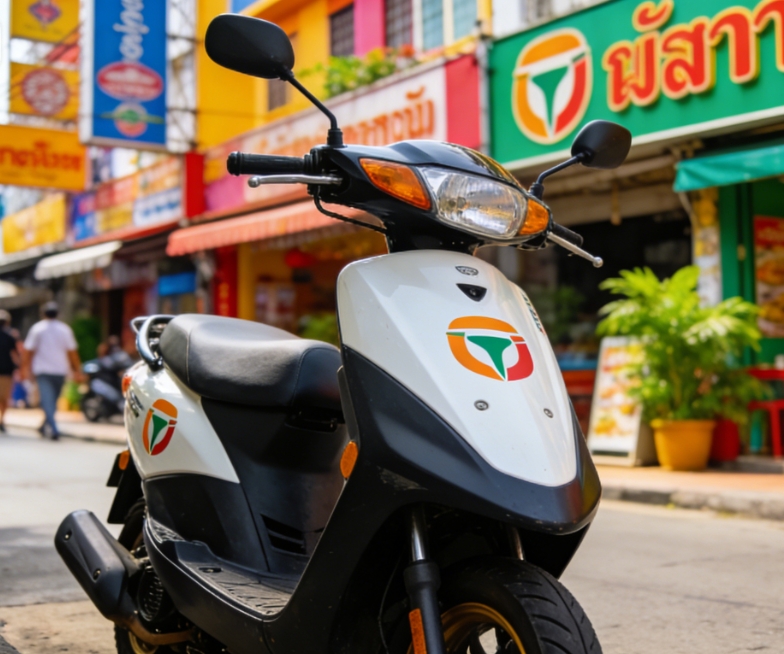
The policy side strongly drives the transformation towards electrification. Indonesia launches car purchase subsidies, tax exemptions, and localized support to accelerate the popularization of electric motorcycles; Thailand is promoting the localization of batteries and vehicles through the EV 3.5 policy. The policy reduces the cost of purchasing and replacing cars, directly driving an increase in demand for battery replacement.
Market fundamentals support high growth. Due to congestion and high oil prices in Southeast Asian cities, the cost of using electric motorcycles is only 1/5-1/10 of that of gasoline powered vehicles. Commercial scenarios such as food delivery, express delivery, and passenger three wheeled vehicles require high-frequency battery swapping, while the demand for household commuting replacement is growing synchronously. The local battery production capacity is insufficient, with an import dependency of over 70%, and the supply gap continues to widen. Institutions predict that the Southeast Asian power battery market will have a compound annual growth rate of over 14% from 2026 to 2031, with two/three wheel replacement batteries as the core growth engine.
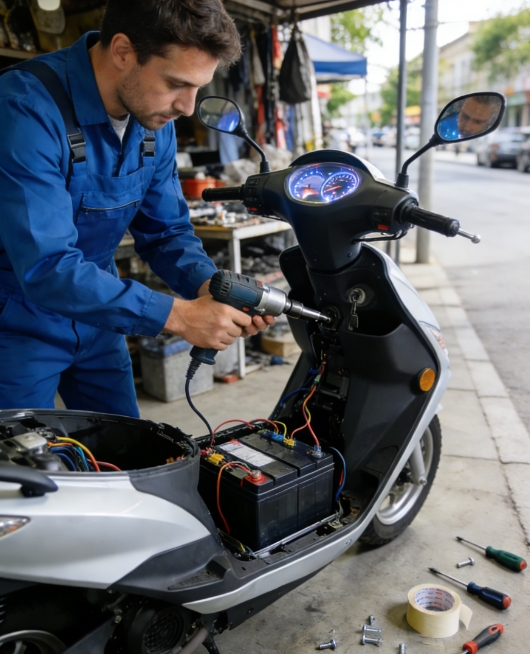
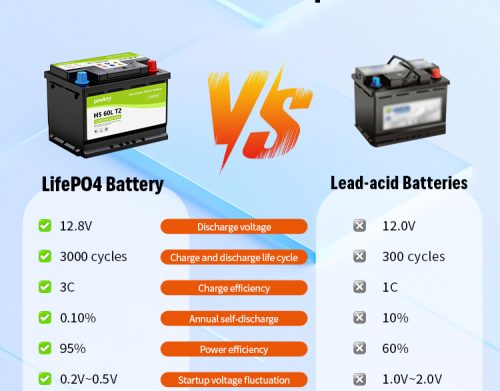
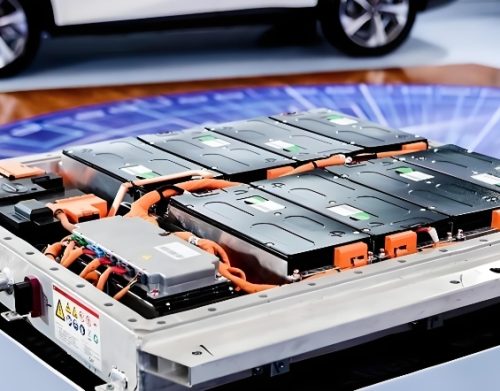
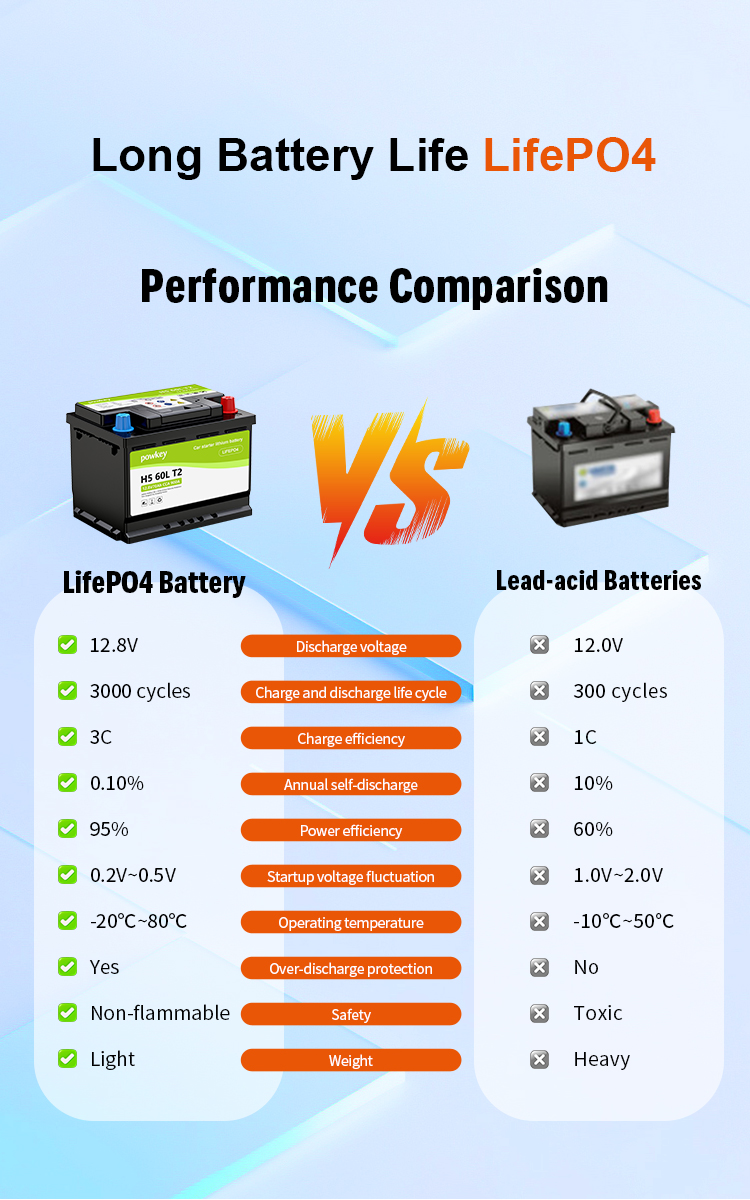
The advantages of technology and supply chain are obvious. Li ion and LiFePO4 are compatible with different scenarios: ternary lithium has high energy density and longer battery life; Lithium iron phosphate is safe, durable, and has an excellent cycle life, making it more suitable for high temperature and high humidity environments and commercial operations. China’s supply chain is mature and can provide standardized modules, customized PACK, BMS matching and after-sales solutions, leading the world in cost-effectiveness and delivery capabilities.
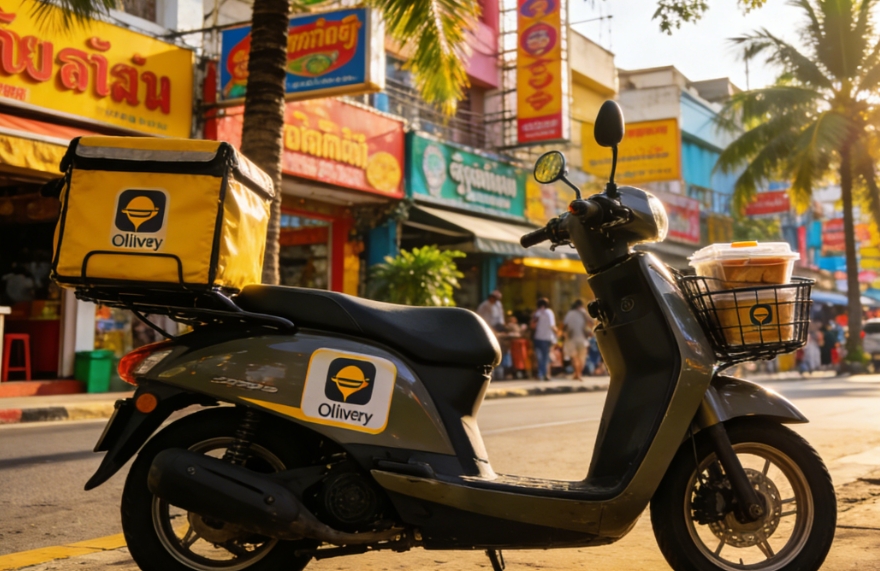
Commercial and household dual wheel drive. The delivery fleet and passenger tricycle are frequently used and need to be replaced within 12-18 months; Household cars enter a replacement cycle of 2-3 years. The rapid popularization of battery swapping mode, separation of vehicle and electricity, and rental subscription have lowered the threshold for users, further amplifying the demand for replacement. Localized assembly and customized solutions can avoid tariffs, enhance competitiveness, and quickly seize channels and customers.
In the next 3-5 years, the replacement of batteries for two/three wheeled electric vehicles in Southeast Asia will maintain high-speed growth. Seizing the three major opportunities of stock replacement, policy dividends, and supply shortages, focusing on products that are safe, reliable, customized, and stably delivered, we can occupy a leading position in this blue ocean market and reap long-term stable returns.